
Posts by Mark Taylor
High School Math Teachers with Jeanette Stein. LF014
Jeanette Stein joins me on the Learning on Fire podcast and explores the most important learning and educational moments that shaped her life.
Our guest – Jeanette Stein
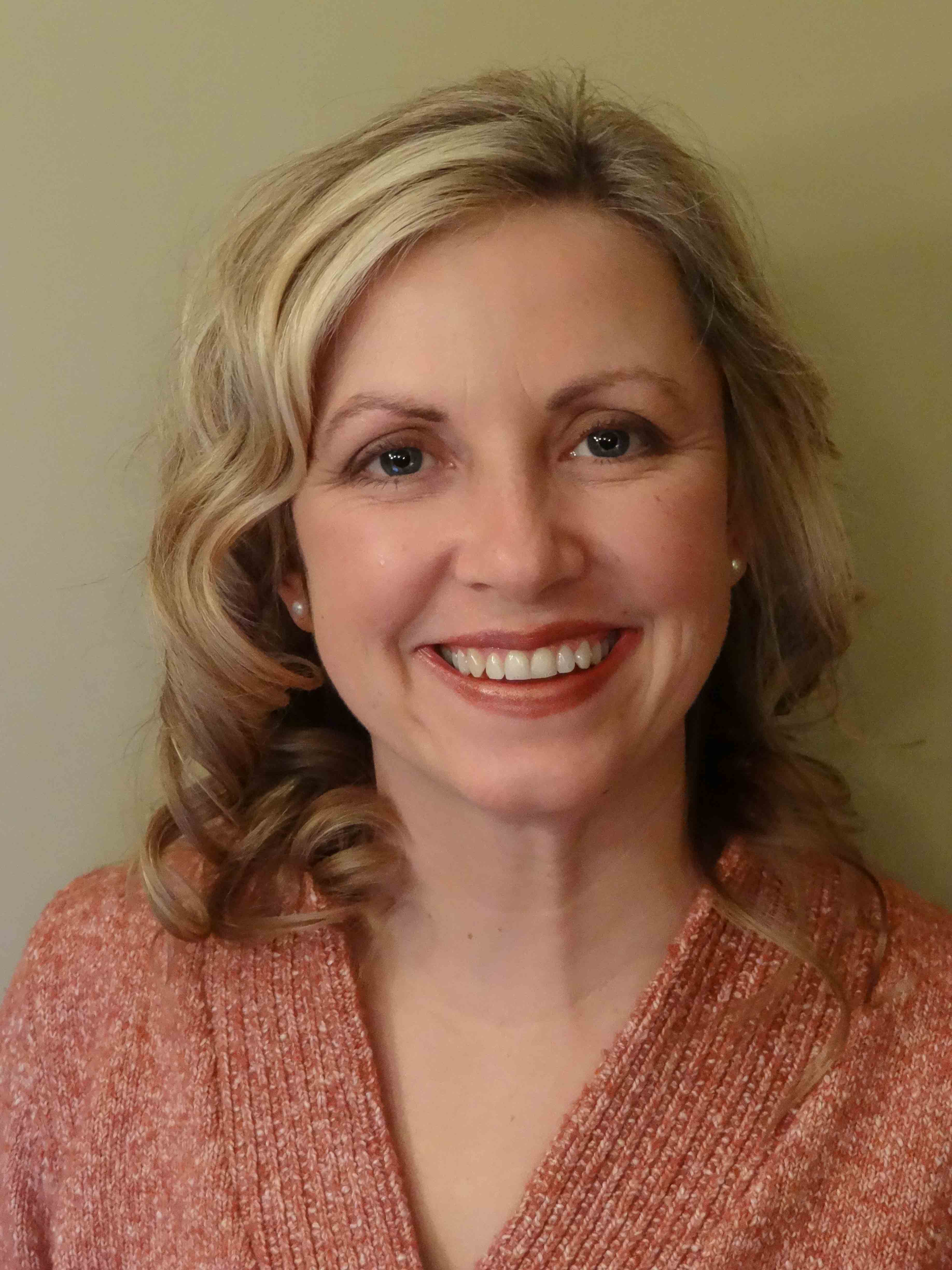
I love teaching and have been at it my whole life. I can remember being a young girl teaching the neighborhood kids, my stuffed animals, and even my dog, Almond, if she would sit long enough.
Encouraging children and helping them succeed is a passion of mine. I am very proud of creating curriculum and lesson plans that reach that goal. I love helping teachers also achieve their goals. I believe in being a lifelong learner and am currently working on an even greater understanding of teaching and learning, iPads, engaging learners, marketing, and balancing life.
I am always looking for new ways to help teachers reach their goals. As of late, I have become aware of some great new tools on the horizon bringing educational reform and I am excited to be in education during these times!
This site is created out of a passion to help teachers teach. With lesson plans for every standards, on-demand training to help you implement the standards with all of your students, and personalized coaching, everything has been planned for the students’ and teachers’ success in the Algebra classroom.
If you are interested in working together, send me an inquiry and I will get back to you as soon as I can!

- jeanette@highschoolmathteachers.com
Questions asked on the Learning on Fire Podcast Interview
- Who are you?
- What does your life look like now and how is it different from when you were growing up?
- What was valuable about your school experience?
- Which teachers do you remember and why?
- Who did you admire when you were young?
- What was it about that person that had such an impact?
- What was the best piece of advice you have ever been given and who gave it to you?
- What advice would you give your younger self?
- What does your future look like?
- What podcast, book, video, film, song or other resource has had the biggest impact on your life and why?
Resources mentioned
The Bible
Contact information
www.facebook.com/algebra1teachers/
Show Sponsor
National Association for Primary Education
Our aim is to achieve a higher priority for the education of children from birth to 13. High quality learning in the early years of life is vitally important to the creation of an educated society. Young children are not simply preparing for the future, they are living a never to be repeated time of life and the best way to learn is to live.
What are the criteria of a good junior school? – NAPE 006
A Report to the Junior School Sub Panel – Ministry of Education – 17th May 1946
The National Association for Primary Education present an annual lecture with a guest speaker who creates their talk inspired by the work of Christian Schiller.
This episode is read by Peter Cansell from the book ‘Christian Schiller in his own words’
CHRISTIAN SCHILLER CBE, MC, MA
Christian Schiller was born on the 20th September 1895. He went to a prep school and then to Gresham’s School where he was head boy. Military service in the First World War followed and he was wounded in action.
After the war he read mathematics at Cambridge and then studied with Percy Nunn at the London Day Training College before beginning his teaching career. In 1924 he was appointed HMI and then followed a long period of work with the schools in Liverpool where his
contact with poor children and their families was a deeply formative experience. He became District Inspector and later filled this role in Worcestershire.
In 1946 he became Staff Inspector for Primary Education and his influence, often in partnership with his friend Robin Tanner, HMI and etcher, was strongly felt as elementary schools developed into primary schools with a distinctive child centred approach which drew on children’s innate creativity and which recognised the powerful learning which comes from direct experience.
On his retirement in 1955 he began a new career as he created a one year course at the University of London Institute of Education for teachers and heads seconded from their schools. Each course was kept small, no more than 12 people who spent their year visiting schools and in discussion led by Schiller who often remained largely silent until he revealed his vision and optimism about the future in a brief summing up. There were no examinations or required coursework yet, as this writer will testify, everyone worked extremely hard. The course was hugely influential and most of his former students have gone on to hold senior leadership positions in education.
Christian Schiller died on the 11th February 1976. The following year the first memorial lecture was presented in London and the annual lectures, now organised by the National Association for Primary Education, continue to the present day. We are pleased to be able to celebrate the work of this great man who contributed so much to the principles and practice of primary education. To those who say look at us, obsessed with children being coached to pass tests, schools competing rather than co-operating, I reply , look more deeply , beyond today’s political froth. Schiller’s work continues and one day, will prevail.
—————————————————————————————
‘Christian Schiller in his own words’ was published by the Association in 1979. The book is available price £5.00 from the NAPE national office.
E: nationaloffice@nape.org.uk
T: 01604 647646
Executive Function with Seth Perler. LF013
Seth Perler joins me on the Learning on Fire podcast and explores the most important learning and educational moments that shaped his life.
Our guest – Seth Perler

Seth from sethperler.com is an executive function and 2e coach who helps make life easier for students who struggle with homework, motivation, organization, grades, focus, study skills, time management, emotions, overwhelm & resistance. He helps complicated, atypical, outside-the-box learners turn it around in a baffling system so they can launch a successful future. His blog gives you game-changing answers in a sea of misguided educational fluff.
There’s no instruction book for how to help your child navigate school. Traditional interventions often FAIL because they don’t get to the ROOT of a child’s problems and they’re often based on MISINFORMATION. Consequently, maladaptive patterns get WORSE each year, leading to pervasive difficulties transitioning into adulthood. That’s the opposite of what education should do, and the sooner you get tools, the better.
Parents feel frustrated spinning their wheels trying to help. There’s no time for this, life isn’t a dress rehearsal. families need tools that are 1) practical, and 2) that recognize a child’s unique needs. Seth’s blog is all about how to help, and the key is understanding executive function.
Questions asked on the Learning on Fire Podcast Interview
- Who are you?
- What does your life look like now and how is it different from when you were growing up?
- What was valuable about your school experience?
- Which teachers do you remember and why?
- Who did you admire when you were young?
- What was it about that person that had such an impact?
- What was the best piece of advice you have ever been given and who gave it to you?
- What advice would you give your younger self?
- What does your future look like?
- What podcast, book, video, film, song or other resource has had the biggest impact on your life and why?
Resources mentioned
Contact information
Show Sponsor
National Association for Primary Education
Our aim is to achieve a higher priority for the education of children from birth to 13. High quality learning in the early years of life is vitally important to the creation of an educated society. Young children are not simply preparing for the future, they are living a never to be repeated time of life and the best way to learn is to live.
Information Officer Peter Cansell – NAPE 005
Today on the NAPE podcast we get some background on Information Officer – Peter Cansell.
Peter talks to Mark about his school experience, how he became a teacher and then a headteacher.
His route was less than traditional and these experiences have shaped his desire to support children to follow their passion.
Peter has been in education professionally for 35 years, teaching in middle schools in Oxford, doing advisory work, teaching higher education and as a Primary Headteacher at Harwell Primary School. He retired from that post in September 2014, but has continued as Chair of OPHTA (Oxfordshire Primary Headteachers’ Association), was elected to become Chair of the National Network of Chairs of Headteachers’ Groups in June 2014 and was delighted to have become a NAPE council member this year, serving on the editorial board for Primary First. In January of 2015 he co-founded the Oxford School of Thought, an independent education think tank. He is a trustee and chairs the management committee of another charity, Full Circle, which is well regarded for its ground breaking intergenerational work.
Our aim is to achieve a higher priority for the education of children from birth to 13. High quality learning in the early years of life is vitally important to the creation of an educated society. Young children are not simply preparing for the future, they are living a never to be repeated time of life and the best way to learn is to live.
078: Season 5 Finale
Mark Taylor rounds up this PE and Sport season 5. He reminds us of previous episodes that focused on dance from the ‘Music & the Arts’ season 4 which can support and enhance your PE provision and gives us an insight into what to expect in the coming weeks.
Here are the links to each episode in this season.
056: One Dance UK with Claire Somerville – Head of Children & Young People’s Dance
045-use-movement-dance-enhance-topic-work-alison-swann/
Show Sponsor – National Association for Primary Education
Our aim is to achieve a higher priority for the education of children from birth to 13. High quality learning in the early years of life is vitally important to the creation of an educated society. Young children are not simply preparing for the future, they are living a never to be repeated time of life and the best way to learn is to live.