
Posts by Mark Taylor
6-Week Show Production Accelerator
Six weeks from now, your show is done. Not drafted. Ready to release.
Neil Farrimond, Lisa Marie Todd, and Mark Taylor invite you to the Creative Amplifiers 6-Week Show Production Accelerator — a private, hands-on cohort for creators who are serious about getting their show built and broadcast.
What this is
This is a live, interactive programme — not a course you watch alone. Every session is built around your specific show: your concept, your audience, your format. By Week 6, you’re not planning your show. You’re running it.
What you’ll walk away with
🎙️ Live interactive sessions — real-time coaching with your cohort, not pre-recorded videos
🎯 A show built around you — zero cookie-cutter advice, zero generic templates
📡 Your first broadcast live — you leave Week 6 with a show that exists
🛠️ Gear & software sorted — camera, mic, platform, all figured out by Week 2
🔁 A repurposing rhythm — clips, social posts, and a content system you can sustain
👥 Real attention from 3 hosts — maximum 6 participants per round
This is for you if…
-
You want to create a podcast, video show, or content series but don’t know where to start
-
You’re supporting a business, project, or side hustle and need expert guidance
-
You’d rather learn by doing than watch hours of tutorials alone
-
You can invest 90 minutes a week for 6 weeks to get it right from the start
Your hosts
Neil Farrimond — Video Authority Architect with 35+ years of technical expertise and 400+ videos. Builds reliable video systems for established professionals.
Mark Taylor — Host of Education on Fire: 10 years, 500+ episodes, listeners in 180+ countries. Brings interviewing craft and audio/video workflow mastery.
Lisa Marie Todd — Background in advertising and TV. Helps creators show up on screen with confidence and clarity.
Six weeks. Three hosts. One published show.
Night Zookeeper – Award-winning reading & writing program for ages 6-12
English Program for Kids – Night Zookeeper
- Award-winning reading & writing program for ages 6-12
- Improves vocabulary, spelling, grammar & more
- Personalised feedback on your child’s work
Click here for a 7 day free trial and 50% off a subscription.
(affiliate link)
The Executive Function Online Summit – TEFOS 9th-12th 2026
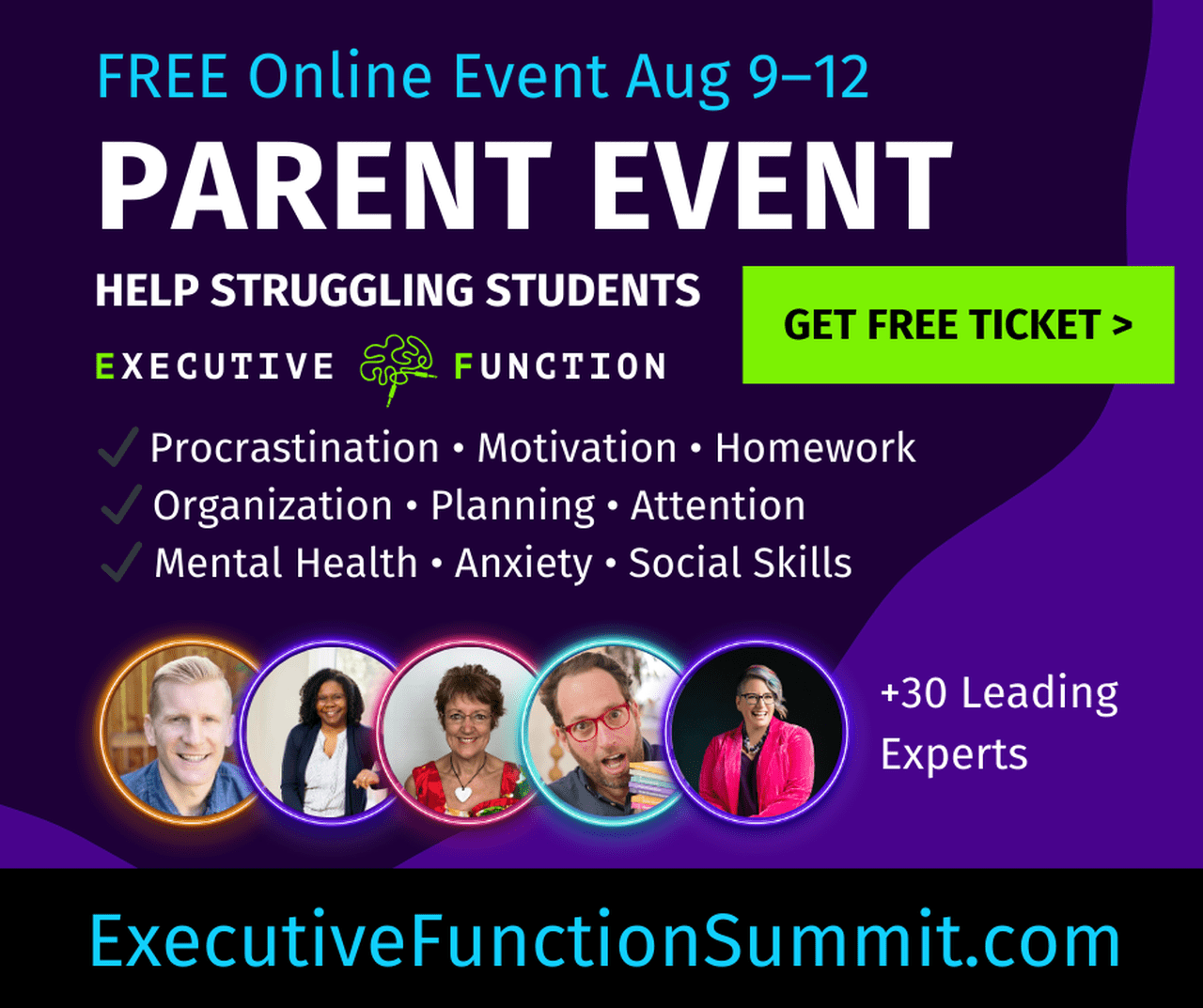
You know your kid can do more, but making it happen is another story… TEFOS26, The Executive Function Online Summit, gives you tools that actually work for Struggling Students, from over 30 experts who get it. Sign up FREE.
GGGG Ep 9 – The Future of Schooling: Rethinking What, How, and Why We Teach
Joining Mark Taylor as part of this series with Prof Dr Ger Graus OBE is Rebecca Durose-Croft a Managing Director with over 20 years’ experience in educational publishing and the evolving world of edtech.
Rebecca has built a reputation for bringing together editorial expertise, strategic thinking and a deep understanding of how learners engage with content – leading teams to create high-quality publications and programmes that truly make a difference.
With a strong commitment to inclusion and accessibility, and a track record of working closely with educators, policymakers and partners across the sector, Rebecca is a thoughtful and influential voice in how education continues to adapt and innovate.
Takeaways:
- We discusses the evolving nature of educational content and its impact on schooling.
- Rebecca Durose-Croft emphasizes the importance of tailoring educational material to individual learners’ needs.
- National curriculum reforms prompt a reevaluation of educational practices and content delivery methods.
- The conversation highlights the necessity of incorporating real-world applications into learning experiences.
- Technology plays a crucial role in modern education, but it must be integrated thoughtfully to enhance learning.
- Collaboration between educators and content creators is essential for producing effective educational resources.
Chapters:
- 00:15 – Introducing Rebecca Durose-Croft
- 01:58 – Exploring New Educational Curriculums
- 16:16 – The Importance of Context in Language Learning
- 23:27 – The Role of Technology in Modern Education
- 31:20 – The Evolution of Educational Technology
- 45:06 – The Role of Educators in Curriculum Development
- 51:49 – The Importance of Trusting Teachers in Education
Get the book – Through a Different Lens: Lessons from a Life in Education
🔥 Discover more about Education on Fire, get a FREE pdf of 10 guest resources and be part of our season finale with Ger.
https://www.educationonfire.com
🔥 Support the show – Buy me a coffee, Merch and Sponsorship Opportunities
https://www.educationonfire.com/support
#EducationOnFire
Show Sponsor – National Association for Primary Education (NAPE)
Their Primary First Journal: https://www.educationonfire.com/nape
BBC Bitesize Guide to AI
Cerys Griffiths is the Head of BBC Bitesize, the BBC’s free, online learning resource for students aged 5 to 16, their teachers and parents. Bitesize also aims to support educating the whole child through it’s Careers, Study Support and media literacy offer, Other Side of the Story, as well as special educational initiatives like the Bitesize Guide to AI.
Cerys was, for many years, a journalist in the North West, a TV and newspaper reporter and then an editor of news programmes for both ITV and the BBC. She is on the board of the Micro:bit Education Foundation and is an advisory board member for the Science and Industry Museum in Manchester.
Key Takeaways
Teen attitudes to AI are complex — BBC Bitesize’s annual Teen Summit Survey found a third of teenagers are worried about AI’s impact on their career prospects and the spread of misinformation, while 47% are already using AI tools for homework and revision.
Confidence can be a blind spot — Many young people feel they already know enough about AI when in reality they don’t fully understand its deeper implications. The challenge is helping them recognise what they don’t yet know.
Critical thinking is the core skill — Rather than focusing on specific tools (which change rapidly), BBC Bitesize’s approach centres on equipping young people with the ability to assess, verify and question the information they encounter every day.
AI as a collaborator, not a substitute — Cerys emphasises that AI works best as a companion tool. Young people still need to be thinkers, creators and developers alongside it — not passive users of it.
A positive, empowering outlook — BBC Bitesize’s Guide to AI uses real young people in real-world scenarios to show both the benefits and risks of AI, deliberately avoiding a fear-based approach.
New resources to tackle misinformation — Solve the Story is a brand new episodic mini-drama for classroom use, where students must solve a fake news mystery across six episodes — a creative, engaging way to build media literacy skills.
Trust is BBC Bitesize’s superpower — All content is reviewed by practising teachers and education consultants, making it one of the most trusted sources of educational content in the UK.
Chapters:
- 00:03 – Introduction to BBC BiteSize
- 06:08 – The Evolution of AI in Education
- 09:35 – The Role of AI in Education and Misinformation
- 18:55 – Introducing ‘Solve the Story’ – A New Educational Initiative
- 23:20 – Educational Content Creation and Trust
- 29:00 – Empowering Youth Through Education
https://www.bbc.co.uk/bitesize
Instagram: @bbcbitesize
🔥 Discover more about Education on Fire, get a FREE pdf of 10 guest resources.
https://www.educationonfire.com
🔥 Support the show – Buy me a coffee, Merch and Sponsorship Opportunities
https://www.educationonfire.com/support
#EducationOnFire
Show Sponsor – National Association for Primary Education (NAPE)
Their Primary First Journal: https://www.educationonfire.com/nape
2026 Conference
Keynote : Reading for Pleasure – Dr Roger McDonald
Workshops focusing on National Year of Reading : Writing, TESOL, Oracy, Drama and Story Telling, Poetry