
Festival of Voices 2019 – NAPE 035
As a non-political charity the National Association for Primary Education (NAPE) does some incredible work to support children live their best lives from birth to 13.
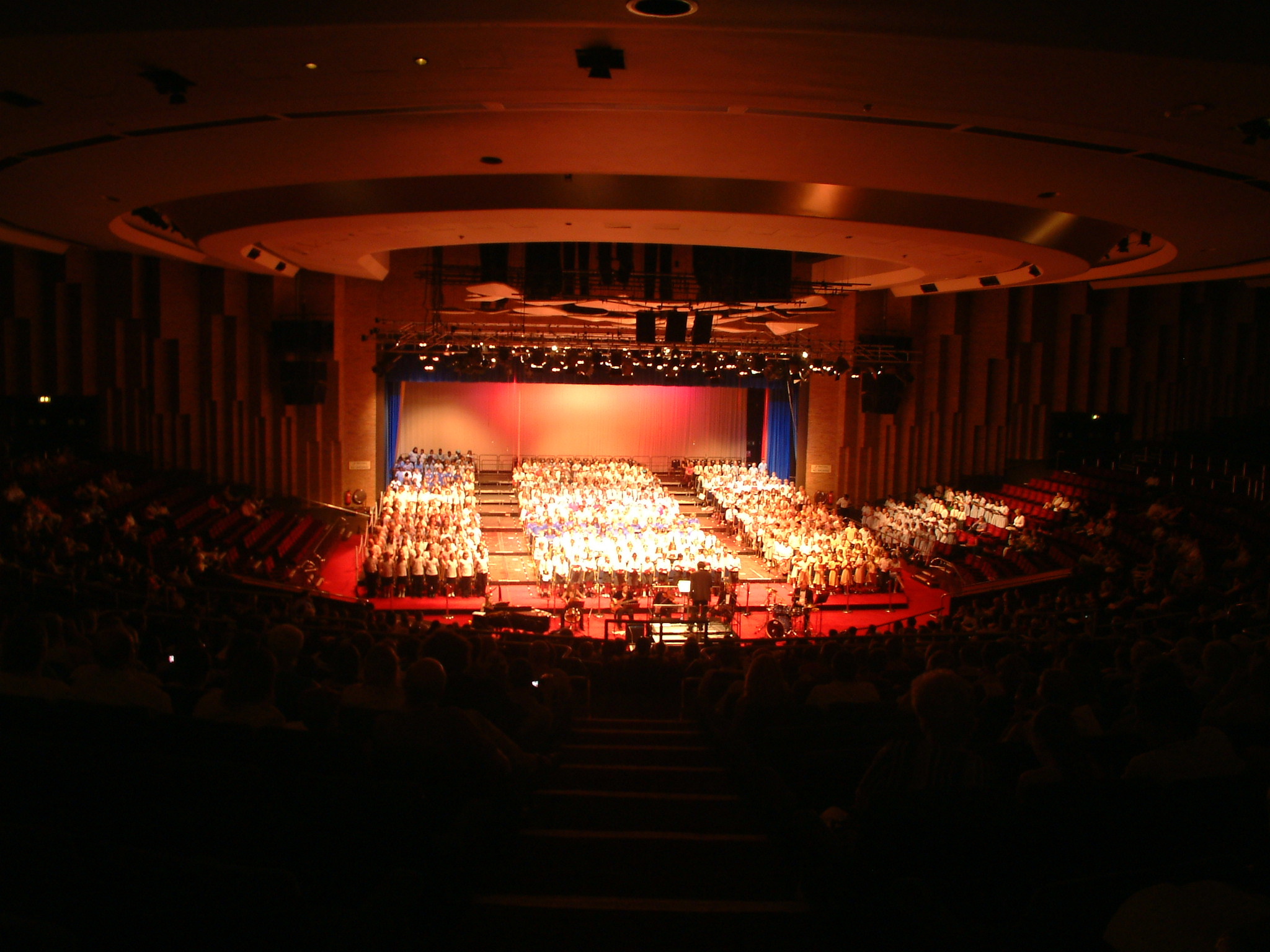
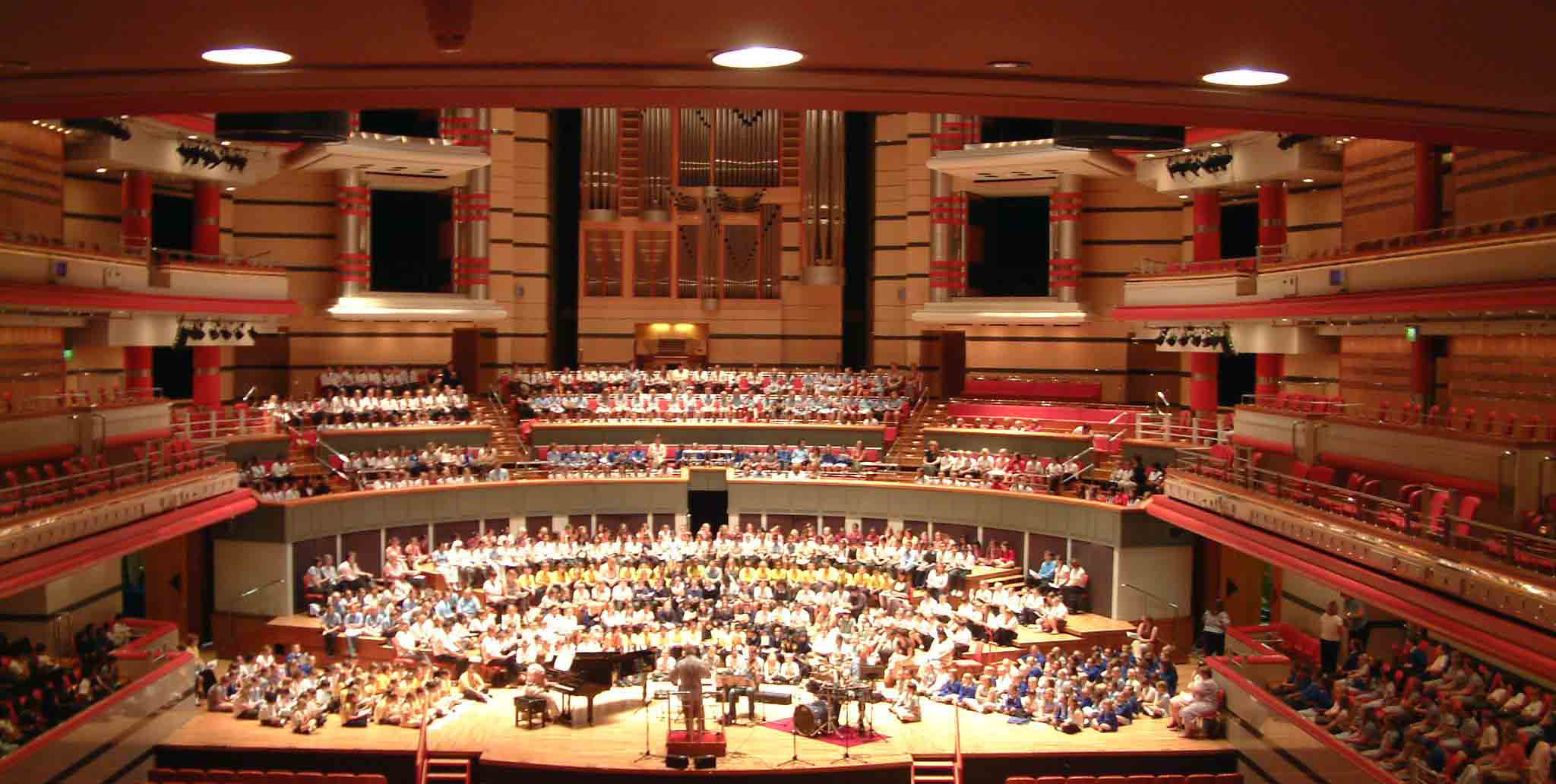
Nothing epitomises this more than their Festival of Voices concert series that has been in existence for 36 years. This event at Dorchester Abbey brings around 240 school children together to perform in a beautiful venue with a live band. Not only do they do this once but due to the demand they now produce 6 concerts in one week during June.
NAPE is run by volunteers and it is a credit to their enthusiasm and dedication that such a concert series is possible.
Over the 36 years of Festival of Voices, the regional event at Dorchester Abbey – run by the Oxfordshire branch of NAPE – has been expanded to include a national concert at venues such as Wembley Conference in London and Symphony Hall in Birmingham.
This year to celebrate the 36 years of success we decided to create a behind the scenes podcast and video so you could see and hear from those involved.
The culmination of a children’s choir, supportive teachers and an audience of proud, passionate families makes for something quite special.
If you would like to see what an ‘on location’ podcast looks like to record please watch the video on the NAPE website. nape.org.uk
The National Association for Primary Education speaks for young children and all who live and work with them. This includes parents, teachers, governors and all those interested in primary education. NAPE is a non-political charity and works tirelessly to support teachers in the classroom as expressed in their ‘Value of Membership’ Document. NAPE leads the Primary Umbrella Group of thirty primary subject associations and unions and gives teachers and schools a voice at governmental level at consultative meetings with ministers for schools.
For full details of how they can support you please visit their website at nape.org.uk
More Than A Score – NAPE 034
Mark Taylor talks to NAPE Information Officer Peter Cansell about their support for More Than A Score, a growing coalition of parents, teachers, heads and education experts, working together to call for change in the government’s over-testing regime.
Children are More Than A Score
Primary school is a time for self-discovery, building confidence and nourishing potential. But primary school children in England are being let down by a system that cares more about measurement than their education.
Our system is obsessed with league tables, turning children into data points and denying them a broad, stimulating education at key stages in their development. It puts an unnecessary burden on children, parents and teachers alike.
Heads, parents and governors can unite and demonstrate their opposition to a system saturated with high-pressure testing by signing and displaying our Pledge.
The National Association for Primary Education speaks for young children and all who live and work with them. This includes parents, teachers, governors and all those interested in primary education. NAPE is a non-political charity and works tirelessly to support teachers in the classroom as expressed in their ‘Value of Membership’ Document. NAPE leads the Primary Umbrella Group of thirty primary subject associations and unions and gives teachers and schools a voice at governmental level at consultative meetings with ministers for schools.
For full details of how they can support you please visit their website at nape.org.uk
Humanities 20:20 discussion – NAPE 033
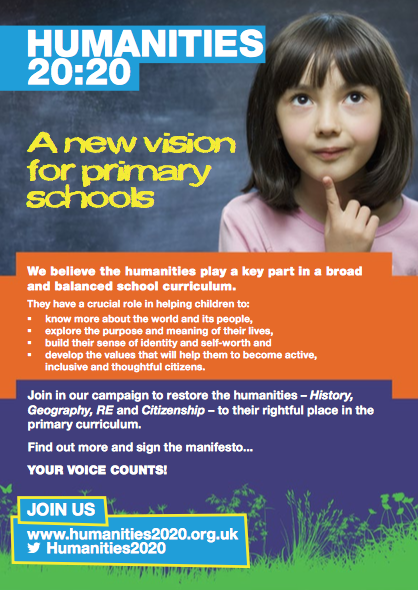
Mark Taylor joins Dr. Tony Eaude and Professor Simon Catling in a conversation about their new project – Humanities [20:20]

Join us in our campaign to restore the humanities – History, Geography, RE and Citizenship to their rightful place in the primary curriculum.
We believe the humanities play a key part in a broad and balanced school curriculum. They have a crucial role in helping children to:
- explore the purpose & meaning of their lives,
- build their sense of identity & self-worth and
- develop the values that will help them to become active, inclusive and thoughtful citizens.
To find out more information about Humanities [20:20] and to sign their manifesto please visit
To join the the conversation please leave a message in the comments below.
The National Association for Primary Education speaks for young children and all who live and work with them. This includes parents, teachers, governors and all those interested in primary education. NAPE is a non-political charity and works tirelessly to support teachers in the classroom as expressed in their ‘Value of Membership’ Document. NAPE leads the Primary Umbrella Group of thirty primary subject associations and unions and gives teachers and schools a voice at governmental level at consultative meetings with ministers for schools.
For full details of how they can support you please visit their website at nape.org.uk
Click below to listen to Tony Eaude’s previous episode based on his NAPE Christian Schiller Lecture.
To read the article written by Tony Eaude for Primary First (NAPE journal) please click here.
Issue 22 page 24
“Education is the most powerful weapon which you can use to change the world.”
Nelson Mandela
Kellogg’s support for breakfast clubs – NAPE 032
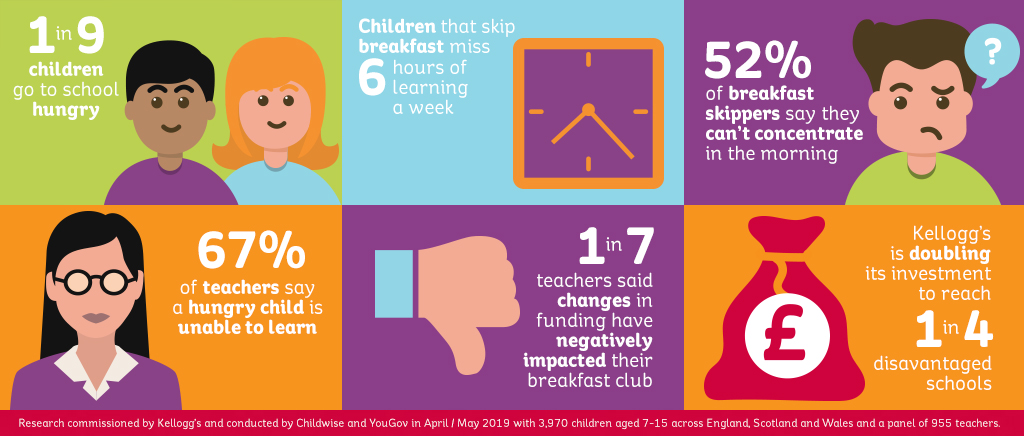
National Association for Primary Education has been working with Kellogg’s to help adjudicate their Breakfast Club Awards which are presented to the winners at the Houses of Parliament.
This award is in addition to the Kellogg’s ‘Support for Breakfast Clubs’ grant that schools can apply for to help fund their own breakfast club. Each school can apply for a cash sum of up to £1000.
You can find more details about Kellogg’s ‘Support for Breakfast Clubs’ this by clicking here.
The National Association for Primary Education speaks for young children and all who live and work with them. This includes parents, teachers, governors and all those interested in primary education. NAPE is a non-political charity and works tirelessly to support teachers in the classroom as expressed in their ‘Value of Membership’ Document. NAPE leads the Primary Umbrella Group of thirty primary subject associations and unions and gives teachers and schools a voice at governmental level at consultative meetings with ministers for schools.
For full details of how they can support you please visit their website at nape.org.uk
Zulu Nation Day at Buckland CE Primary – NAPE 031
We had the privilege of visiting Buckland Church of England Primary School to hear all about their Zulu Nation Day. You can listen to Headteacher Louise Warren and 6 pupils explain all about this wonderful experience entitled:
The Mighty Zulu Nation
Curriculum enrichment
Celebrating diversity at Buckland CE Primary School March 2019
The school was awarded a Creative Learning Bursary from NAPE Oxfordshire who support members in exciting, inspiring and creative projects that extend children’s learning beyond the national curriculum and involve children in its planning.
To see full details and pictures of the event please the school website at:
http://www.bucklandprimaryschool.org.uk
To find out more information about National Association for Primary Education please visit: