
6-Week Show Production Accelerator
Six weeks from now, your show is done. Not drafted. Ready to release.
Neil Farrimond, Lisa Marie Todd, and Mark Taylor invite you to the Creative Amplifiers 6-Week Show Production Accelerator — a private, hands-on cohort for creators who are serious about getting their show built and broadcast.
What this is
This is a live, interactive programme — not a course you watch alone. Every session is built around your specific show: your concept, your audience, your format. By Week 6, you’re not planning your show. You’re running it.
What you’ll walk away with
🎙️ Live interactive sessions — real-time coaching with your cohort, not pre-recorded videos
🎯 A show built around you — zero cookie-cutter advice, zero generic templates
📡 Your first broadcast live — you leave Week 6 with a show that exists
🛠️ Gear & software sorted — camera, mic, platform, all figured out by Week 2
🔁 A repurposing rhythm — clips, social posts, and a content system you can sustain
👥 Real attention from 3 hosts — maximum 6 participants per round
This is for you if…
-
You want to create a podcast, video show, or content series but don’t know where to start
-
You’re supporting a business, project, or side hustle and need expert guidance
-
You’d rather learn by doing than watch hours of tutorials alone
-
You can invest 90 minutes a week for 6 weeks to get it right from the start
Your hosts
Neil Farrimond — Video Authority Architect with 35+ years of technical expertise and 400+ videos. Builds reliable video systems for established professionals.
Mark Taylor — Host of Education on Fire: 10 years, 500+ episodes, listeners in 180+ countries. Brings interviewing craft and audio/video workflow mastery.
Lisa Marie Todd — Background in advertising and TV. Helps creators show up on screen with confidence and clarity.
Six weeks. Three hosts. One published show.
Night Zookeeper – Award-winning reading & writing program for ages 6-12
English Program for Kids – Night Zookeeper
- Award-winning reading & writing program for ages 6-12
- Improves vocabulary, spelling, grammar & more
- Personalised feedback on your child’s work
Click here for a 7 day free trial and 50% off a subscription.
(affiliate link)
The Executive Function Online Summit – TEFOS 9th-12th 2026
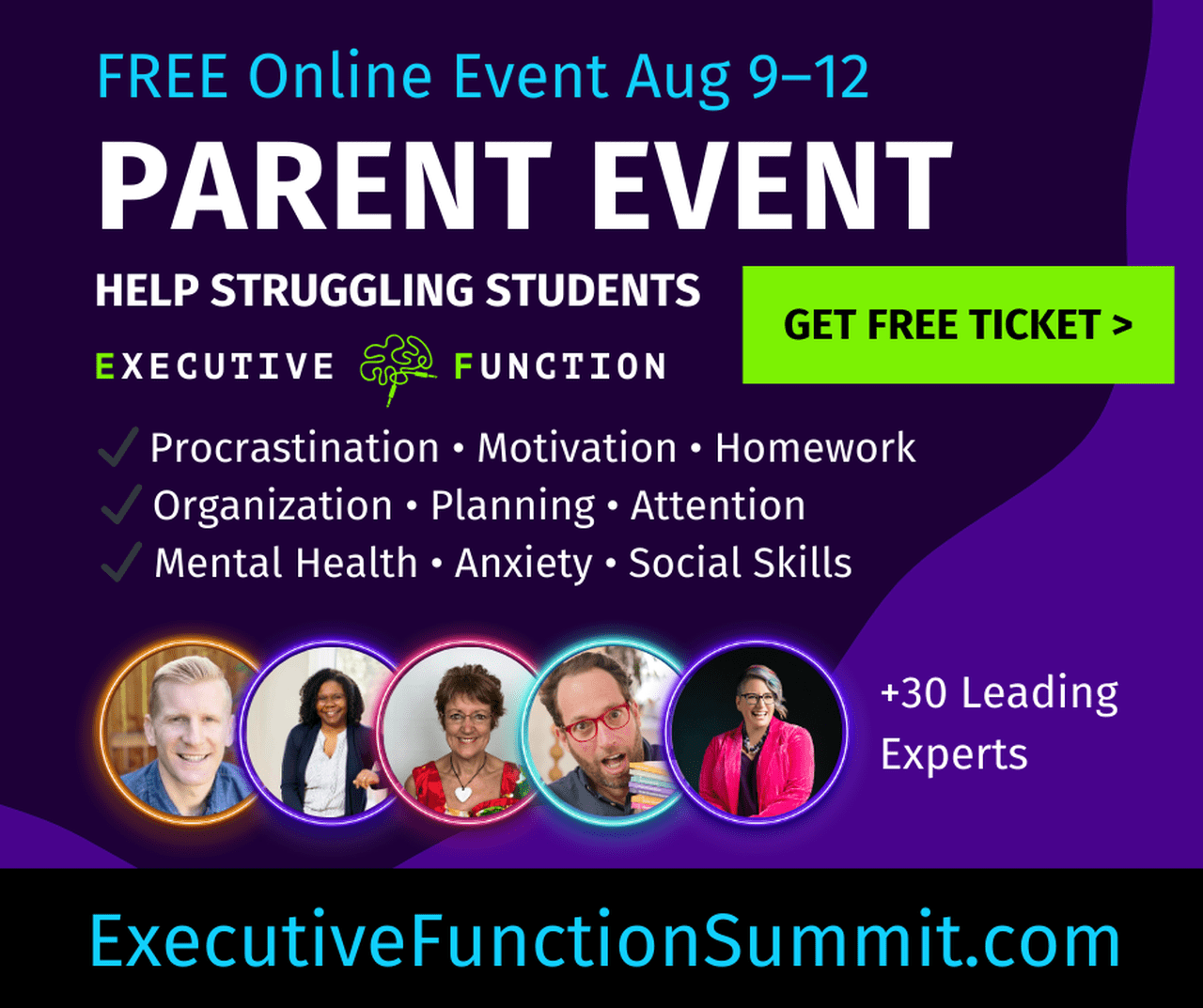
You know your kid can do more, but making it happen is another story… TEFOS26, The Executive Function Online Summit, gives you tools that actually work for Struggling Students, from over 30 experts who get it. Sign up FREE.
Reading Conference Friday 8th May 2026
John Coe – an Enlightened Voice for Primary Education
John Coe was a founding member of the National Association for Primary Education (NAPE) and a tireless advocate for children’s right to live fully at every stage of their development. Sadly, we lost John earlier this year, but his wisdom and insights continue to guide us.
NAPE is proud to announce that John Coe – an Enlightened Voice for Primary Education is now available to pre-order—a collection of his writings that will ensure his ideas remain accessible to future generations of teachers, parents, and educators. To honour his memory and give you a taste of his thinking, I want to share key insights from a conversation we had back in 2018 for the podcast.
– John Coe’s extensive career: He qualified as a teacher in 1949 and worked across multiple roles including headteacher, inspector, advisor, and university lecturer, giving him comprehensive insight into education from classroom to policy level.
– NAPE’s founding purpose (1980): The National Association for Primary Education was established because primary education was neglected in terms of resources and respect, with its vital role in children’s development not properly recognised.
– Inclusive membership model: From the inaugural meeting, NAPE’s membership was intentionally open to teachers, assistants, parents, and families—not just professionals—emphasising partnership in education.
– Living life at the appropriate age: A core NAPE principle is that children aged 0-13 should live fully at each stage rather than viewing primary education merely as preparation for secondary school.
– The consumer vs. partnership problem: Government policies over 30 years have positioned parents as consumers of education rather than partners, creating adversarial relationships and damaging collaboration between parents and teachers.
– SATs impact on curriculum: The emphasis on standardised testing has created a “test-directed curriculum” that narrows learning, postpones enriching activities like music and PE until after tests, and pressures children to pursue constant success rather than learning from failure.
– Homework as enrichment: Rather than practicing school skills at home, homework should involve parents enriching children’s experiences through visits, reading, and exposure to diverse activities that schools lack time to provide.
– Teacher pressures: Primary teachers face enormous accountability pressures, uncertain job tenure, and assessment-driven demands, yet 80% still work hard to establish productive relationships with parents despite these obstacles.
– Centralisation of control: The shift of power from local authorities to central government and agencies like Ofsted represents a “black lie” about school autonomy—schools appear independent but are completely controlled through inspections and assessments.
– Future communication: NAPE’s future depends on Internet-based communication and social media to reach younger parents and teachers, moving away from traditional membership models toward podcasts and online engagement.
5 Key Quotes
1. On the core purpose of primary education: “The view of education as a whole, which NAPE continually campaigns against, is that the primary stage is merely a preparation for the proper education which occurs at the secondary stage… it’s experience that enables children to learn and to grow, and the richness of that experience at that stage of life that’s very important in shaping them as men and women.”
2. On childhood and living in the moment: “We have a test directed curriculum in primary schools… parents have come together in recent years to form organisations… very active, which looks at primary education as much more than the standard assessment tasks with which government confronts the children.”
3. On learning from failure: “The impact of the sats has been to constrain education, to limit it to a search for success, and to deny the natural failure which will come to all of us at some time in our life… learning from one’s mistakes are one of the most important ways of learning.”
4. On the illusion of school autonomy: “The rhetoric is that schools are free, autonomous, they can make the decisions. But this is a lie. This is a black lie. Because the control of schools through the inspection of schools, through Ofsted… the control the government has, central government has over schools is complete.”
5. On language learning across the curriculum: “Children learn [English] all the time, everywhere to every minute they spend in school… the curriculum should be rich and rounded and broad, so that the children, every moment they’re in school, every moment, whatever they’re talking, yes, even in the music lesson, even in the PE lesson, they will be learning English.”
NAPE council, when considering a suitable, lasting legacy for John decided that a selection of his writings should be gathered together in a bumper edition of the Primary First Journal. You can preview and purchase this as a digital download at:
https://national-association-for-primary-education-shop.fourthwall.com/